Project Overview
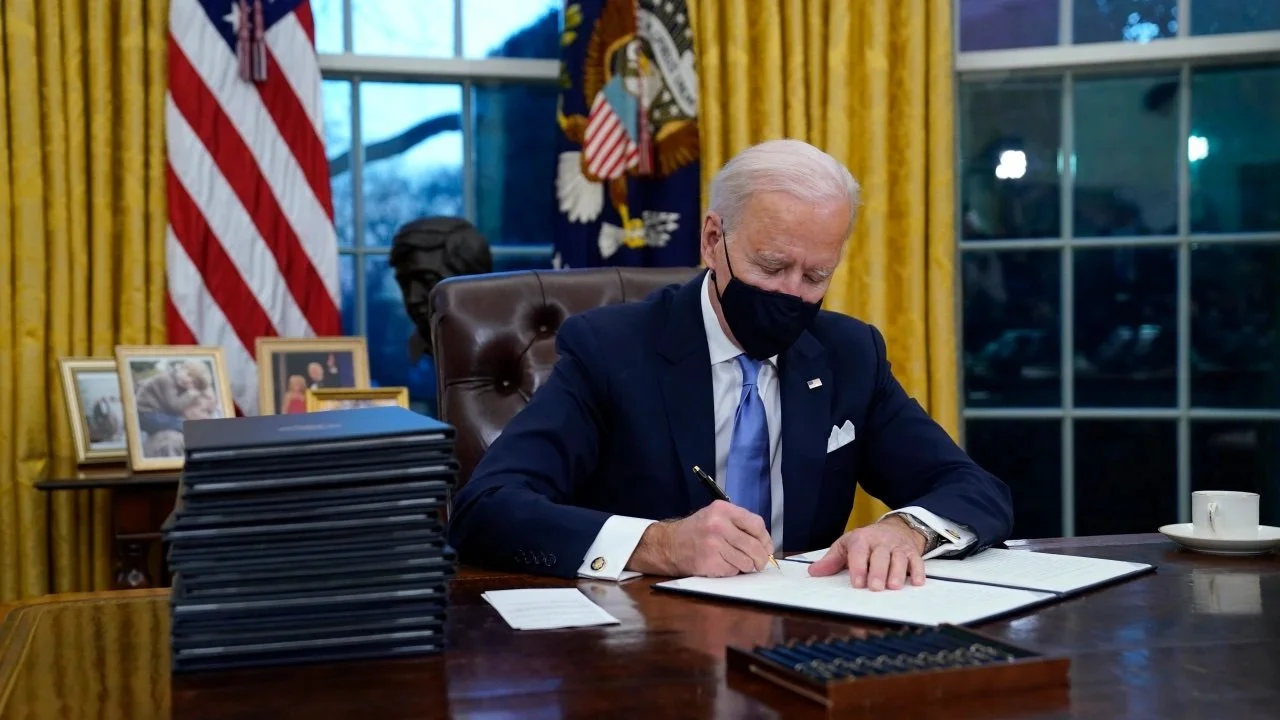
The Justice40 initiative directs 40% of the benefits from federal spending related to climate and the environment to historically overburdened and underserved communities. It was created by Executive Order in the first week of the Biden administration.
Federal, state, and local governments have repeatedly and intentionally contributed to the unjust distribution of pollution burden and health hazards into communities of color and low-income communities. The Justice40 initiative is one step towards redressing those ongoing inequities and enabling a just transition during the climate crisis.
Over 450 programs are covered by the Justice40 initiative, including all funding relating to climate change, clean energy and energy efficiency, clean transit, affordable and sustainable housing, training and workforce development, the remediation and reduction of legacy pollution, and the development of critical clean water infrastructure.
All of these programs are directed to increase their delivery of benefits to overburdened and underserved communities. Programs are required to engage in stakeholder engagement with those same communities on how they can improve the delivery of benefits and reduce their burdens.
Responsibilities
I served on the Biden administration’s transition team, coordinating a “discovery sprint” of ten people that produced a report on how to implement the Justice40 initiative in the administration.
I had two roles with the project, as I detailed from the US Digital Service (USDS) to the Council on Environmental Quality (CEQ).
For CEQ, I served as the Senior Advisor for Justice40, helping implement the initiative, coordinating with and guided by the White House Environmental Justice Advisory Council, an advisory of 25 environmental justice advocates. I co-chaired the Justice40 subcommittee for the White House Environmental Justice Interagency Council, a meeting of all agencies with Justice40 programs.
I also served as the lead for the USDS team working on the project, helping with the implementation of the software and program used to identify overburdened and underserved communities. Our mapping tool uses many federal data sets to identify a wide range of environmental justice problems affecting communities. We launched this mapping tool as a fully open source project, with multiple gatherings per month of the open source community.
Our Javascript front-end application was built using React and MapLibre. Our Python back-end application is built using Poetry, Pandas, and more.
Our infrastructure is hosted in Amazon Web Services in S3. Our CI and CD pipelines are fully automated.